Everyone asks for June. June is the answer the internet gives, the answer the brochures repeat, and the month the lodges fill first. It's not wrong — the dry season is genuinely spectacular — but it's not the only answer, and for some travelers it's the worst one.
The dry season (June–October)
This is the classic safari window. The grass is low, the waterholes are few, and the animals are forced into the open to drink. Visibility is high, roads are passable, and the wildebeest crossing the Mara River is one of the great wildlife events on earth.
- Best game viewing — thin vegetation and concentrated water sources
- Cool, dry, and dustier; almost no rain to wash out a drive
- Peak pricing and peak crowds — lodges book a year ahead in July and August
The green season (November–May)
Here's the secret the brochures bury. The rains transform the savanna — new grass, newborn calves, and skies that go from charcoal to gold in an hour. The landscape photographs better than at any other time of year. And because the crowds are gone, the lodges drop their rates by a third to half.
The catch is game viewing. The grass is tall, the water is everywhere, and the animals spread out. You'll still see plenty — the predators don't leave — but you'll work harder for it. For a first safari, that matters. For a second, it doesn't.
I've sent photographers to the Serengeti in February for the calving season and they've come back with the best frames of their lives. The light, the green, and a million wildebeest calves born in two weeks.
So which one are you?
If it's your first safari, go in the dry season. You want the guaranteed sightings, the easy roads, and the confidence that builds the addiction. Pay the premium, book early, and treat it as a once-in-a-decade event.
If you've been before, if you're a photographer, or if your budget says no to peak season — the green season is the move. The trade-off in game density is real, but the trade-up in price, light, and solitude is, for the right traveler, the better deal.
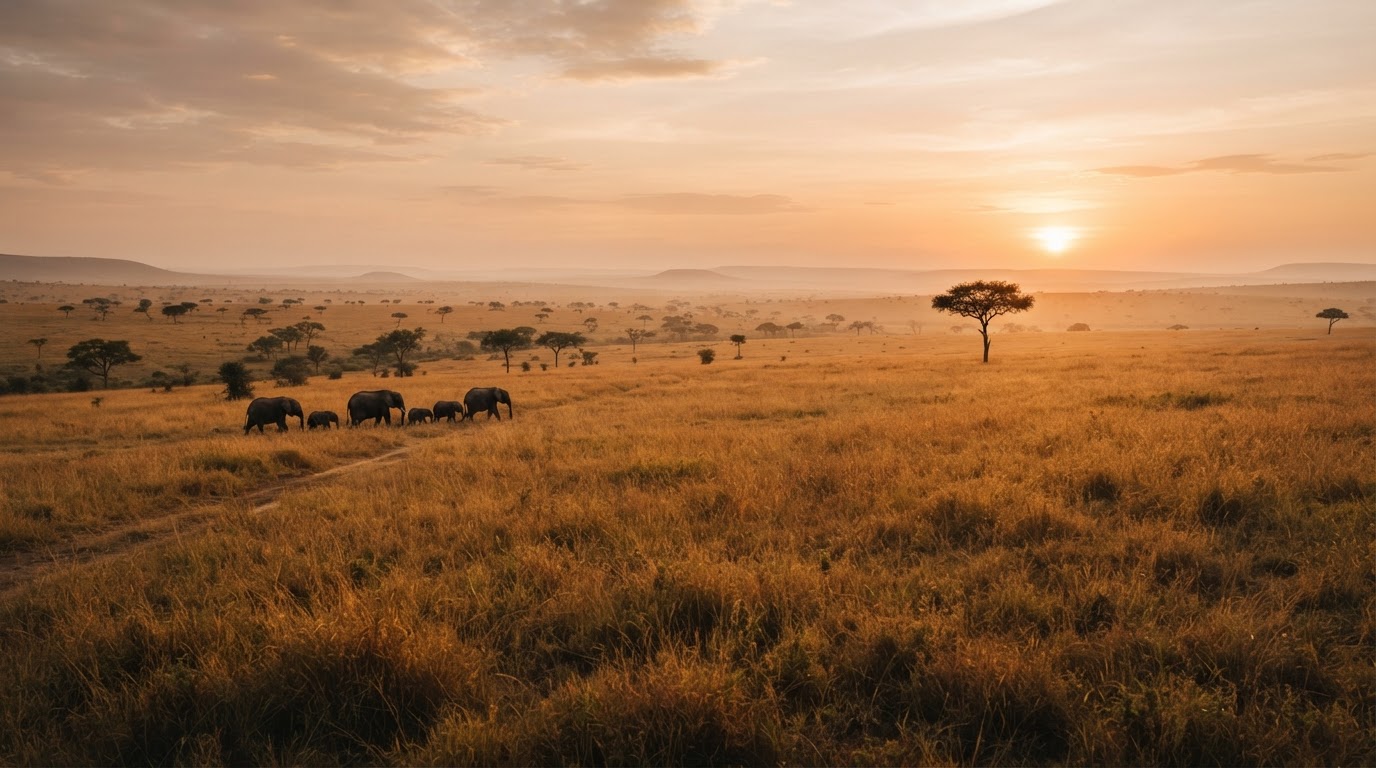
There's no wrong month on the savanna. There's only the month that fits who you are, what you want to see, and what you want to spend. Tell us all three and we'll tell you when to go.