A ryokan isn't a hotel — it's a discipline. The futon, the tatami, the bath, the silence; the kaiseki dinner served in your room by a host who has done this a thousand times and still folds your napkin like it matters. After ten years of sending travelers to Kyoto, these are the five we return to.
Hiiragiya — the institution
Founded in 1818. Seven generations of the same family. This is the ryokan other ryokan measure themselves against. The garden is older than most countries, and the service has the unhurried weight of two centuries. Book the suite with the private garden if you can — it's the quietest hour of the morning you'll ever own.
Tawaraya — the quiet famous one
If Hiiragiya is the institution, Tawaraya is the secret everyone in fashion and film already knows. It's deliberately small, deliberately hard to book, and deliberately perfect. The futons are what other hotels compare their mattresses to. If you can get a room, take it without asking questions.
Seikoro — the family run
Four generations, a single house in the old district, and a kaiseki dinner that changes with the day's market. Seikoro is where we send travelers who want the ryokan soul without the institution price. The hostess remembers you from a visit three years ago. The bath is cedar. The garden is a poem.
Yoshida-sanso — the hill retreat
Perched on the slopes of Mount Yoshida, with the temple roofs below and the maple fire above in November. The morning walk to the shrine through the grounds is worth the stay alone. Book for autumn — the maples here are the most private in the city.
Kinputanso — the onsen escape
Technically just outside Kyoto, in the hot-spring town of Kurama. This is the one for travelers who want the private onsen without leaving the city's orbit. A thirty-minute train, a wooden bath on a deck over the river, and a dinner you eat in a yukata with the window open to the mountain air.
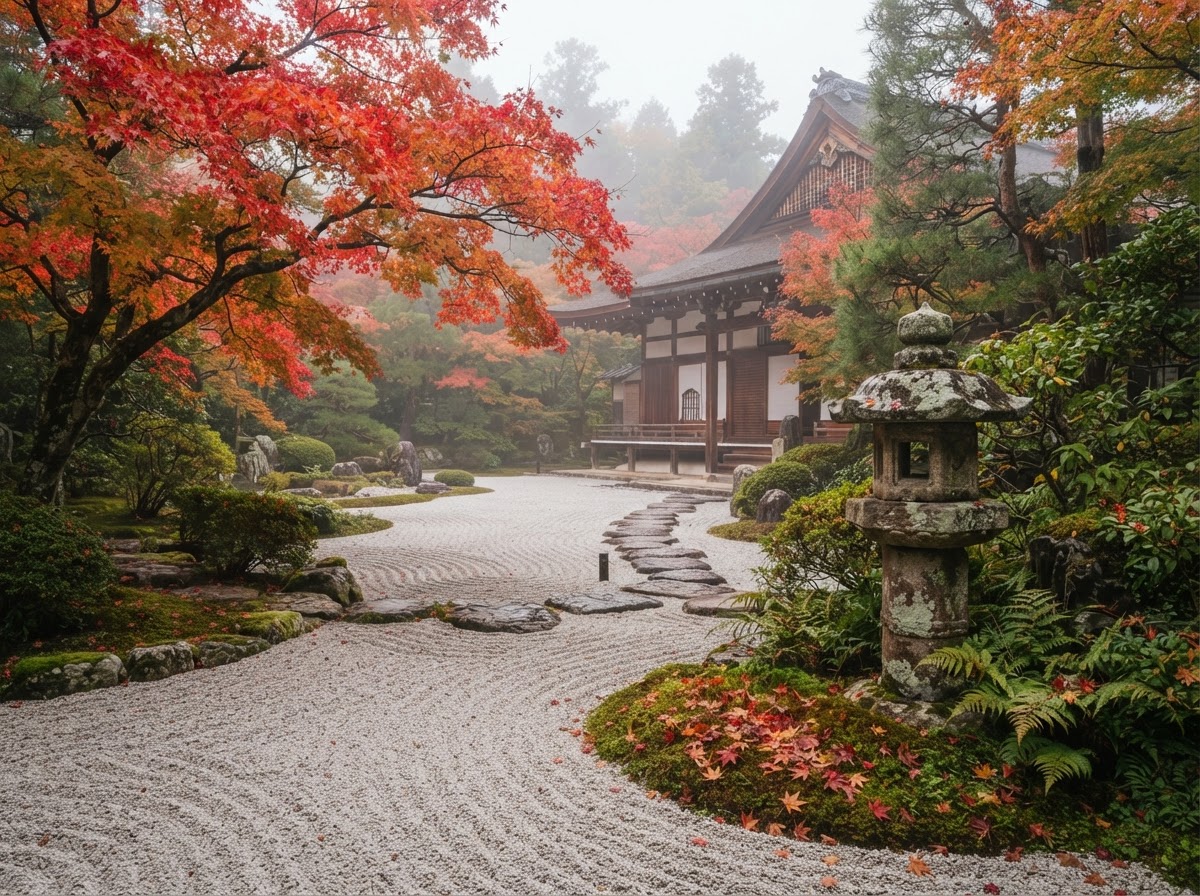
A ryokan is best booked for one night, not three. You arrive in the afternoon, you bathe, you dine, you sleep on tatami, you bathe again at dawn, and you leave with your head clear. It's a ritual, not a base. Book a hotel for the rest of your Kyoto days.